Introduction
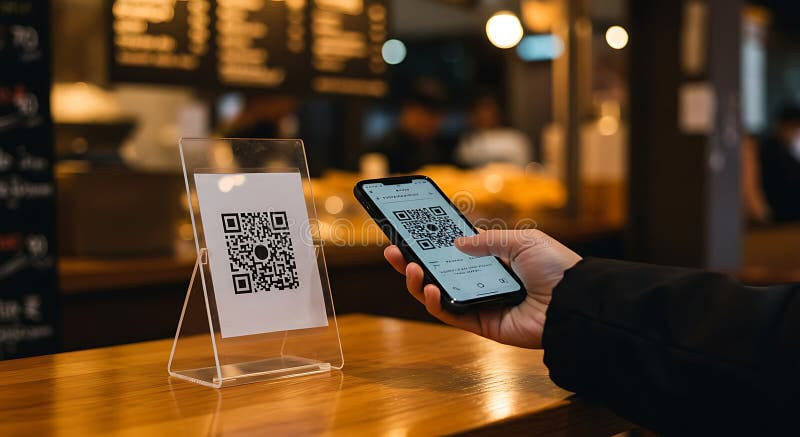
QR codes are everywhere today. We see them in restaurants, shopping malls, online payments, advertisements, and even schools. They help people access information quickly by simply scanning a code with a smartphone. But many people still wonder how QR codes actually work.
In this blog, we will explain QR codes in a simple and easy way.
What is a QR Code?
A QR code stands for “Quick Response” code. It is a special type of barcode that stores information in a square pattern made of black and white boxes.
Unlike traditional barcodes, QR codes can store much more data. They can contain:
– Website links
– Contact information
– Wi-Fi passwords
– Payment details
– Text messages
– Product information
QR codes were first created in Japan for tracking car parts, but now they are used worldwide.
How QR Codes Work
A QR code works by storing data inside small square patterns. When a smartphone camera or QR scanner scans the code, the device reads the pattern and converts it into useful information.
For example:
– If the QR code contains a website link, it opens the website.
– If it contains payment information, it starts a digital payment.
– If it contains contact details, it allows you to save the contact instantly.
The process happens within seconds.
## Main Parts of a QR Code
QR codes contain different sections that help scanners read them correctly.
1. Finder Patterns
These are the large squares located in the corners of the QR code. They help the scanner identify the code quickly.
2. Data Area
This section stores the actual information like links, text, or payment details.
3. Timing Patterns
These patterns help the scanner understand the size and structure of the QR code.
Uses of QR Codes
QR codes are used in many industries today.
### Digital Payments
Apps like banking apps and payment services use QR codes for fast transactions.
### Restaurants
Many restaurants use QR menus so customers can scan and view menus online.
### Education
Teachers and schools use QR codes to share notes, videos, and assignments.
### Marketing
Businesses use QR codes in posters and advertisements to direct users to websites or promotions.
### Wi-Fi Sharing
People can connect to Wi-Fi networks by scanning a QR code instead of typing passwords.
## Advantages of QR Codes
There are many benefits of using QR codes.
– Fast and easy to use
– Contactless technology
– Stores large amounts of information
– Works with most smartphones
– Saves time in payments and sharing data
Are QR Codes Safe?
QR codes are generally safe, but users should still be careful. Sometimes scammers create fake QR codes that lead to harmful websites.
To stay safe:
– Scan codes only from trusted sources
– Check website links before opening
– Avoid unknown payment QR codes
Future of QR Codes
QR code technology is becoming more popular every year. As digital payments and smart devices continue to grow, QR codes will become even more important in daily life.
Many businesses now prefer QR systems because they are fast, cheap, and easy to manage.
Conclusion
QR codes have changed the way people share information and make payments. They are simple, fast, and useful in everyday life. From restaurants to online banking, QR codes are helping make technology more convenient for everyone in daily life.